
Jul 25, 2026Business Guide
Private Label Cycling Helmets: What Brands Should Know Before Importing Slug
A guide for brands and distributors planning to develop private label cycling helmets, including product selection, customization, certification, and supplier cooperation.
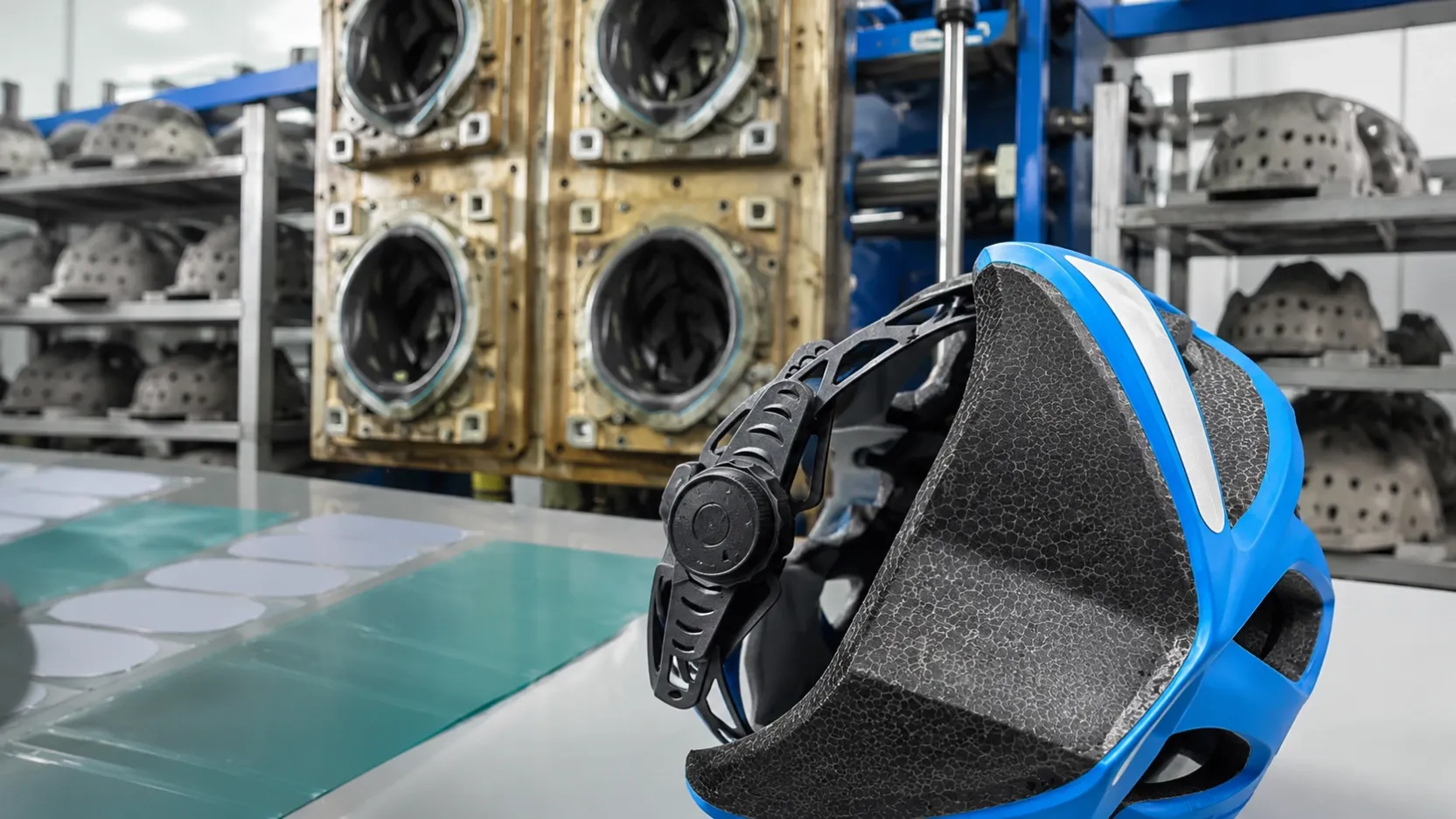
Private Label Cycling Helmets: What Brands Should Know Before Importing
The cycling market continues to create opportunities for new brands and distributors.
However, launching a successful helmet product line requires more than finding a low-cost supplier.
1. Define Your Target Market
Before sourcing helmets, brands should understand their customers.
Different markets may focus on:
- Urban commuting
- Professional cycling
- Mountain biking
- Kids sports
- Winter activities
Product positioning affects design, pricing, and certification requirements.
2. Choose the Right Helmet Category
A supplier should provide different product options.
Popular categories include:
Urban / Commuter Helmets
Designed for daily city transportation.
MTB / Sports Helmets
Focused on stronger coverage and outdoor riding.
Kids Helmets
Require attractive design and comfortable fitting.
Ski Helmets
Designed for winter sports environments.
3. Customization Options
Private label programs often include:
- Brand logo
- Custom colors
- Packaging
- User manuals
- Product accessories
Small and medium brands especially need suppliers who can provide flexible solutions.
4. Build Long-Term Supplier Relationships
The best sourcing relationships are based on:
- Clear communication
- Stable quality
- Reasonable MOQ
- Continuous improvement
A sourcing partner can help brands reduce development time and avoid common manufacturing problems.
Fonyon OEM Support
Fonyon provides flexible helmet sourcing solutions by connecting overseas buyers with suitable manufacturers in China.
We support:
- Product selection
- OEM customization
- Quality follow-up
- Export coordination